3D Printed Fidget Toys: Merging Creativity and Customization with Functionality
The Benefits Of 3D Printed Fidget Toys
Our product for you
Traditional fidget toys have a select number of shapes and functions that a user simply has to choose from while 3D printed fidget toys provide a scope that a user can determine. Fidget toys can be designed to optimize the user's personal preference. Some users like fidget toys to be soft and provide a tactile sensory experience while other users prefer a more rigid toy that provides a clicking feedback sensory experience. These preferences can be achieved through a number of design changes.
About the 3D
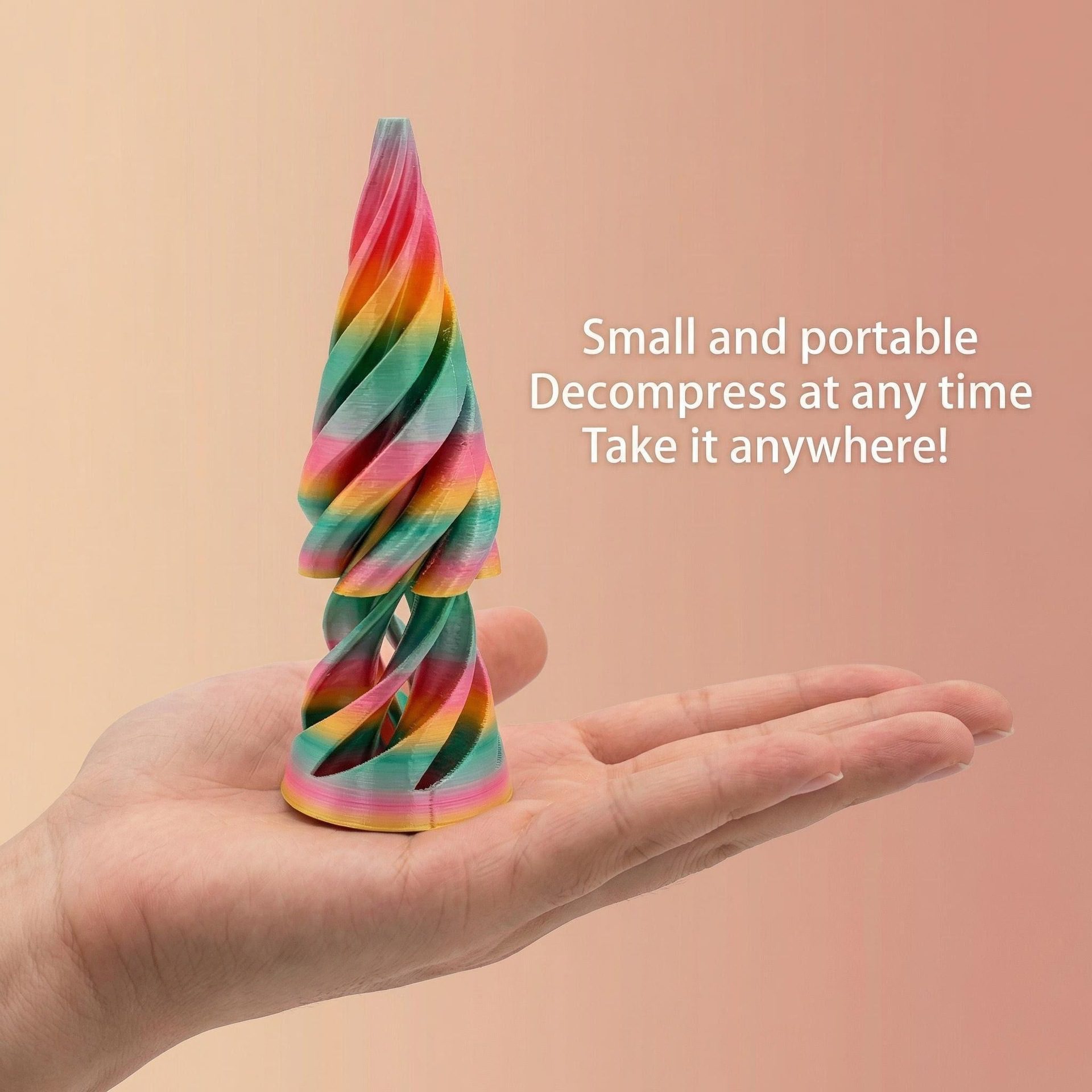
Another benefit of fidget toys created through 3D printing is the multitude of designs that users can decide from. The ease of modifying a digital model allows for an infinite number of fidget toy designs that all can provide a wide range of sensory experiences. These designs can even be articulated or have gear mechanisms as well as a number of pocket-sized designs.

The primary benefit of a 3D printed fidget toy is the level of personalization reachable.
But why get 3D printed fidget toys specifically?
3D printing fosters creativity and innovation. Designers and hobbyists can create products that may not be within the scope of mass-produced products. Designers can easily change resistance of movement add surface textures or add new elements to products by adjusting a digital design file. Most mass-produced products lack customization; 3D printing can be a solution to that problem.
3D printing also benefits users by providing easier access to creating their own custom products. Fidget designs often serve as a first project for beginners to practice 3D printing and easier to grasp design concepts. Although fidget toys are simple and small they serve as practical projects with a purpose.
Compared to other custom products fidget toys produced through 3D printing are highly customizable; the also have optionality within the design process and can help to achieve specific levels of interaction and movement. For softer and more interactive designs materials used in 3D printing can be flexible.
Fidget toys produced through 3D printing allow users to select a design that helps to fulfill a permeant need and a custom one at that. Mass-produced products have little to no design flexibility unlike products produced through 3D printing. Fidget toys produced through 3D printing can be used to fulfill the need for sensory design products that can help users to focus and plan their daily habits.
3D Printed Fidget Toys: Merging Creativity and Customization with Functionality
3D printed fidget toys have come a long way in recent years. There was a time when they could simply be a hobbyist’s niche project; now they are much loved and used by students and professionals alike. Fidget toys have even been embraced by collectors and makers around the world. They aren’t simply popular due to their novelty or looks there is a great deal they have to offer and with the emergence of personalization functionality and creativity many mass-produced goods have fallen short compared to fidget toys.
In contrast to many fidget products that have an assortment of restrictions on styles and functions the ability to mass produce through 3D printing removes many of the existing limitations that are present. Users can have the ability to select and design toys that appeal to their personal tastes and can have toys that can roll click spin and fuse various textures. The ability to customize and the opportunity for endless experimentation inspires creativity and is part of what keeps individuals engaged and interested; all things normal desk toys have a distinct lack of.
3D Printed Fidget Toys Explained
3D printed fidget toys are toys that have been designed by users with the aid of technology that let you design things digitally. These technology toys can let you make things like pieces of a toy that when completed can have moving parts and complex mechanisms. These toys due to their digital design can easily have many different designs that incorporate various textures and moving features.
Popular styles of fidget toys incorporate the following design features:
- Spinning components
- Clicking parts
- Articulation
- Rolling rings
- Gears
- Chains
- Textures & sensory touch designs
- Interactive pocket-sized toys
Each of the styles introduces an element of sensory play offering a choice according to individual preference or even the sensory stimulus needed for the activity of the moment.
What Makes 3D Printed Fidget Toys So Appealing?
3D printed fidget toys are appealing to a lot of people for a number of reasons:
- People like having something that is not mass produced that has a personal touch to it and is more useful and adaptable to them.
- 3D printing designs caters to this need.
Infinite Options for Individualization
From a customization perspective 3D printed designs are the clear winner.
There is small number of options when you manufacture products in the traditional way. With printing items can be produced to fit a high number of personal options like:
- Size
- Surface
- Resistance; movement
- Flexibility
- Form
- Shape
- Theme
For instance a person who prefers a lot of tactile feedback would probably want a great deal of texture and a design that offers a lot of movement whereas another person might prefer something more simplistic smooth and quiet.
Little changes to digital models can greatly change a toy the feel of a toy in a person’s hand.
Truly Unique Designs
When toys are mass produced you end up with fidget toys that look very similar no matter what brand they are. 3D printed fidget toys stand apart from the crowd because of all the self-produced designs.
Some of these designs include:
- Models with parts that move like a dragon
- Models that use gears
- Models that have an interaction like an animal
- Pocketable foldable models
- Models that are made of interlocking pieces
- Models that are made of sensory touchable and geometric formations
Because of the creative liberty that digital design posses a designer can produce a fidget toy that is entirely new and innovative unlike most fidget toys on the market today.
For people who like finding the unique and novel and detest things that are mass produced 3D printed fidget toys are very appealing.
Different Classes of Sensory Experiences
Fidget toys can be utilized in a myriad of ways and different people prefer different types of tactile feedback and movements.
Clicking Feedback
Click-based designs offer auditory and tactile feedback via buttons switches and movable mechanisms.
Rhythmic movement
Physical feedback
Repetitive interactions
These types of designs are popular among people who like explicit sensory responses.
Rolling Motion
Rolling toys can travel along fingers or surfaces.
Benefits can include:
A type of movement that is continuous
Quiet use
A repetitive action that is relaxing
These types of designs can be of great use in areas where loud feedback can be distracting.
Spinning Designs
A rotating design can travel along a desk or be spun by hand when the user is taking a break.
The benefits of such a design can include:
Interaction that is easy
Movement that is smooth and continuous
A small design
Texture Based Designs
Certain fidget toys are designed to offer a sensory experience that is not movement based but tactile.
Surface textures can be of:
Raised patterns
Flexing sections
Grooves
Waves
Geometric surfaces
Tactile toys can offer a sensory experience more similar to the feel of a fidget spinner rather than the fast movements of a toy acrobat.
Tactile toys often offer a design experience unlike the rest.
Importance of Material Selection
The choice of material can greatly affect impressions and interaction.
Different materials can offer different sensory experiences.
PLA
One of the most popular materials in the realm of 3D printing is PLA.
Features of this material are:
Lightweight
Smooth surfaces
A simple process to print
Offer a broad spectrum of colors
Certain fidget designs made of PLA can work excellently.
PETG
When compared to PLA PETG is polyester which is more flexible and durable.
The advantages of such a design can be:
Increased strength
Impact resistance
A design that will endure
Users looking for durability often appreciate fidget toys made of PETG.
Flexible Filaments
Flexible materials create an entirely different type of response.
Features may include:
Compressible movement
Soft tactile feedback
Bendable structures
Unlike rigid plastics these materials create sensory experiences.
The Impact of Design on User Experience When we design something we go beyond aesthetics.
The small details of a design affect the comfort and satisfaction of the toy.
These details include:
Shape
The shape of an object affects:
Comfort level of the hands
Grip of the hands
Flow of the movement
Usability of the design
During long term use edges that are rounded are often smoother.
Weight
The weight of an object affects the quality and smoothness of the roll or spin.
If the weight of an object is not evenly distributed it can greatly affect the quality of an object.
Surface Finish
The surface of an object greatly affects the tactile experience of an object.
Some of the users enjoy the tactile experience of:
Polished smooth surfaces
Some may prefer:
Defined textures
Layered Patterns
Surface textures that aid gripping
Resistance to Movement
Movement that is too loose may feel unstable.
Movement that is too tight may reduce comfort and satisfaction.
What is Helped with 3D Printing of Fidget
People often think that fidget toys are just simple desk accessories but they can help in a multitude of situations:
Study Sessions
Students often prefer to keep interactive objects close to them during long periods of studying.
Objects with compact designs are perfect for this use case because they can:
Be kept in an easily reachable part of a bag
Take up very little space
Remain easily accessible
Office Environments
Due to the nature of many office jobs a lot of professionals prefer smaller and quieter models.
Some silent designs may include:
Rolling structures
Flexible structures
low-noise mechanisms
Travel
Portable designs are useful for:
Flights
Train rides
Commutes
Waiting periods
Pocket-sized designs often become convenient travel companions.
Creative Workspaces
The designs of fidget toys that are often 3D printed are frequently appreciated by tactile artists designers and creators during brainstorming sessions.
The Influence of Creativity on 3D Print Toys
Industrial designs often require very complex and lengthy processes of manufacturing.
3D printing takes away multiple barriers.
Designers can:
Run quick tests
Adjust and refine an idea
Produce short quantities
Offer out of the box ideas with strange forms
As changes are made digitally they can innovate rapidly.
A designer can do a change to the movement mechanism print it in 3D and test the prototype in a few minutes.
This type of rapid tests leads to a continuous flow of ideas.
Selecting a 3D Printed Fidget Toy
It may often be difficult to select the best 3D printed toy since there are many options.
However you can use a few criteria to make a selection more simple.
Ask yourself:
Do you like to click?
Do you like to spin?
Are you a roller?
Do you prefer texture?
Weekly movement?
When you know your preferences you'll find your options greater restricted.
Know Your Surroundings
Different environments often require different designs. The office may require options of:
Silent movement
A compact size
The office design may be suboptimal and therefore unsuitable for travel. A travel design may require:
A robust design but still pocket size
A design that offers more maximum friction may be better than one that is more portable and compact.
Different materials and rigidity will touch design and feel.
The less user friendly one may also be more durable and offer richer interaction.
It's useful to test several designs for each limitation to find your personal preference.
Fidget toys will likely retain their popularity and the trends will still be reflective of printing and material technology. Ultimately fidget technology will become even more advanced and will offer:
More intricate designs for advanced movement and functionality
Less bulky designs that offer greater interface options
Designers continue to push the limits of 3D printing technology, It offers new products fidget technology and materials integration of art design and engineering.
Final Thoughts
There is more than one reason for the attraction of 3D printed fidget toys over physical time has proven. The personalization of fidget toys merged with the imagination of the designer added with the interactivity of the user and the endless designs makes printed designs superior to ones that are produced and sold at thousands of units.
Everyone has their own preferences smooth rough flexible or rigid one can find a design that meets their lifestyle and preferences. With the rapid advancement of design technology ideas will continue to become more interesting and diversifying.
A simple fidget maker trend has progressed to a world of customizable experiences one layer at a time.